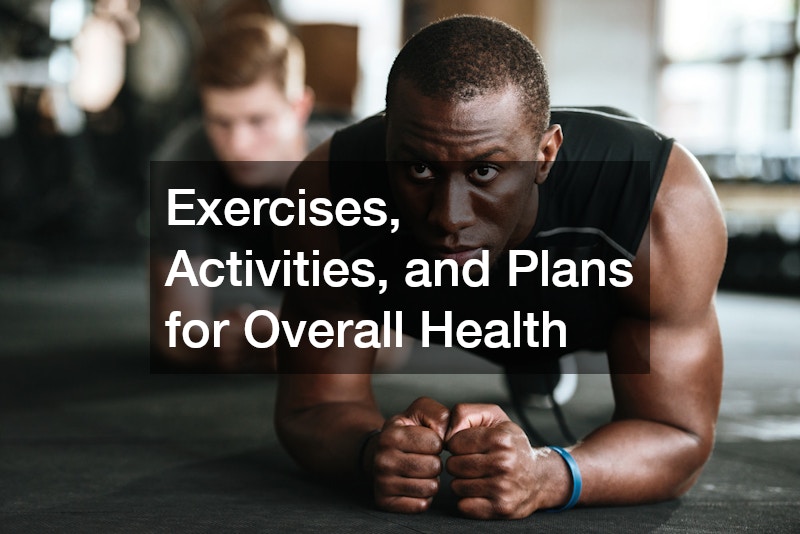
True health is rarely the result of a single heroic effort. It is not found in a solitary 30-day challenge or a fleeting diet trend. Instead, wellness is an architectural project—a structure built upon the pillars of consistent movement, preventative medical care, intentional nutrition, and mental resilience. To achieve a state of total vitality, one must look past the bathroom scale and consider how the body functions as an integrated system.
In this comprehensive guide, we will explore the diverse activities that keep the heart and mind sharp, the specialized medical supports that ensure our physical machinery remains operational, and the nutritional foundations that fuel every cell. By the end of this discussion, you will have a blueprint for a lifestyle that doesn’t just add years to your life, but adds life to your years.
Diversifying Your Movement

Most people view exercise as a chore to be checked off a list, often involving a monotonous thirty minutes on a treadmill. However, the human body thrives on variety. When we diversify our physical activities, we challenge different muscle groups, improve neurological coordination, and prevent the mental burnout that leads to sedentary habits.
Finding Flow Through Functional Core Strength
Core strength is the silent engine of the human body. It is the bridge between the upper and lower extremities, responsible for transferring force and protecting the spine during everyday movements like lifting groceries or reaching for a high shelf. While many chase “six-pack abs” for aesthetic reasons, functional stability is what actually prevents injury.
One of the most effective ways to build this deep, structural power is by enrolling in a weekly pilates class. This practice emphasizes “contrology”—the art of controlled movement. Unlike high-impact sports that can jar the joints, this method focuses on eccentric muscle contractions, where the muscle lengthens under tension. This creates a long, lean physique and, more importantly, a resilient spine. For those sitting at desks for eight hours a day, the emphasis on pelvic alignment and diaphragmatic breathing can be transformative.
The Mental and Physical Edge of Combat Sports
Fitness is as much a psychological pursuit as a physical one. If you find yourself bored with traditional weightlifting, it may be time to seek an activity that requires intense cognitive engagement. Combat sports offer a unique blend of cardiovascular conditioning, problem-solving, and stress relief.
Engaging in local martial arts classes allows an individual to experience “functional fitness” in its purest form. Whether you are learning the leverage-based techniques of Brazilian Jiu-Jitsu or the striking precision of Muay Thai, you are training your body to move as a unified whole. These disciplines improve proprioception—your body’s ability to sense its position in space—which becomes increasingly vital as we age to prevent falls and maintain balance. Furthermore, the community aspect of a dojo or gym provides the social accountability that is often missing from solo workouts.
Precision Performance
If your body is a high-performance vehicle, your feet are the tires. They are the only points of contact with the ground, and any misalignment at the base will inevitably travel upward, causing issues in the knees, hips, and lower back.
Optimizing Mechanical Efficiency
Running is one of the most accessible forms of exercise, but it is also one of the most punishing on the joints if done incorrectly. Every time your foot strikes the pavement, it absorbs several times your body weight in force. This is why generic sneakers from a department store often fall short for the serious enthusiast.
Investing in high-quality running footwear is not about fashion; it is about biomechanical necessity. A specialized fitting process can determine if you have high arches, flat feet, or a neutral gait. For example, those who overpronate—where the foot rolls inward excessively—require shoes with “medial posts” or firmer foam to provide stability. Conversely, “supinators” need extra cushioning to help with shock absorption. Replacing these shoes every 300 to 500 miles is a non-negotiable rule for anyone looking to avoid stress fractures and shin splints.
When to Call in the Specialists
Sometimes, despite our best efforts with equipment and technique, the body develops chronic pain. This is where specialized medical intervention becomes necessary. We often ignore foot pain, assuming it is just a byproduct of a long day, but persistent discomfort can indicate structural issues like neuromas or bunions.
Consulting professional podiatrists can provide clarity on these issues. These specialists can create custom orthotics—medical-grade inserts designed to correct your specific foot mechanics. Beyond just treating pain, they can offer advice on skin and nail health, which is particularly crucial for athletes and individuals with diabetes. Addressing a small alignment issue in your thirties can prevent the need for invasive surgeries in your sixties.
Preventative Medicine
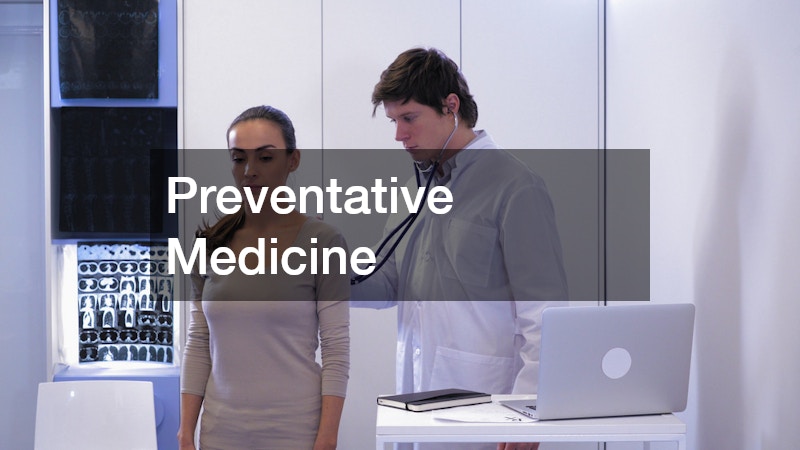
Modern medicine is often “reactive,” meaning we seek help only when something is broken. However, the most successful health plans are “proactive.” By identifying risks before they manifest as symptoms, we can adjust our habits to stay ahead of the curve.
Proactive Screening for Active Individuals
High-intensity interval training (HIIT), marathon running, and heavy powerlifting put significant strain on the cardiovascular and musculoskeletal systems. While these activities are beneficial, they should be preceded by a professional “all-clear” to ensure there are no underlying conditions that could lead to an emergency.
Annual sports physicals are not just for high school students; they are a vital tool for adults of all ages. During these exams, a provider checks blood pressure, heart rhythm, and lung capacity, while also screening for hernias or joint instabilities. This baseline data allows you to track changes over time, ensuring that your exercise regimen is strengthening your heart rather than overtaxing it.
Visual Health as a Quality-of-Life Metric
We often separate “vision” from “health,” but the two are inextricably linked. Our eyes are our primary input for navigating the world, and eye strain can lead to chronic tension headaches, poor posture (from leaning into screens), and decreased athletic performance.
A regular visit to an optometrist is about much more than just a prescription for glasses. A comprehensive eye exam can detect early signs of systemic issues like hypertension, high cholesterol, and even certain autoimmune disorders through the observation of retinal blood vessels. Furthermore, for those who spend significant time outdoors or playing sports, these professionals can recommend specialized UV protection and impact-resistant lenses to preserve sight for the long term.
Recovery and Rehabilitation
In the world of fitness, there is a dangerous myth that “more is always better.” In reality, you do not get stronger in the gym; you get stronger recovering from the gym. Recovery is an active process that requires just as much intention as the workout itself.
The Science of Professional Recovery
Injury is an inevitable part of an active life, but it doesn’t have to be the end of your fitness journey. The key is how you handle the “return to play” phase. Rather than simply resting and hoping the pain goes away, a guided approach ensures that you address the root cause of the injury.
Utilizing physical therapy services can help bridge the gap between injury and peak performance. These professionals use a variety of modalities—such as manual therapy, dry needling, and targeted corrective exercises—to restore range of motion and strengthen weakened tissues. This process ensures that you don’t develop compensatory patterns, where one part of the body works overtime to protect an injured area, eventually leading to a second injury elsewhere.
The Mind-Body Connection
Physical health cannot exist in a vacuum. The brain is the command center for every muscle contraction and every metabolic process. Chronic stress, anxiety, and depression create a physiological environment of high cortisol and systemic inflammation, which hinders muscle repair and suppresses the immune system.
Accessing mental health services is a critical component of a total wellness plan. Whether through traditional talk therapy, cognitive behavioral therapy (CBT), or mindfulness-based stress reduction, managing your internal state is essential. When the mind is at peace, sleep quality improves, and since the majority of growth hormone is released during deep sleep, your physical recovery will accelerate. Treating the brain as a muscle that needs training and care is the hallmark of a truly sophisticated health strategy.
Nutrition and Structural Care

What we put into our bodies provides the raw materials for repair. If you are training hard but eating poorly, you are essentially trying to build a brick house with straw. Similarly, we must maintain the structures that allow us to process that nutrition.
Fueling Longevity with Nutrient Density
Nutrition shouldn’t be about restriction; it should be about “crowding out” processed foods with high-quality, whole ingredients. One of the most important components of an anti-inflammatory diet is the consumption of healthy fats, specifically those found in aquatic life.
Incorporating a variety of seafood into your weekly meal plan provides the body with essential Omega-3 fatty acids, EPA, and DHA. These nutrients are critical for heart health, as they help lower triglycerides and reduce the risk of arrhythmias. Additionally, for the active individual, these fats act as a natural lubricant for the joints and support cognitive function, helping you stay focused during complex tasks or workouts.
The Link Between Oral Health and Systemic Wellness
It is easy to forget that the mouth is the gateway to the rest of the body. Poor oral hygiene is linked to various systemic issues, including endocarditis and cardiovascular disease. Furthermore, the ability to properly chew and digest a variety of nutrient-dense foods is dependent on having a complete and functional set of teeth.
For those dealing with tooth loss or severe decay, modern solutions like dental implants offer a way to restore both function and confidence. Unlike removable dentures, these permanent structures integrate with the jawbone, preventing the bone loss that typically follows tooth extraction. By maintaining a healthy, functional smile, you ensure that you can continue to enjoy a diverse diet of crunchy vegetables, lean proteins, and fibrous fruits well into your senior years.
Creating Your Personalized 12-Month Health Plan
To turn this information into action, you need a schedule. A 3,500-word guide is only useful if it results in a change of behavior. Here is how you can structure your year for maximum health.
Quarter 1: The Foundation (January – March)
- Medical Clearance: Schedule your annual check-up and blood work. Ensure you have your eyes checked to start the year with clarity.
- Footwear Audit: Look at the tread on your current shoes. If they are worn unevenly, it’s time for a replacement and perhaps a consultation with a foot specialist.
- Movement Goal: Focus on “low and slow” movements like walking and basic mobility work to prepare your joints for higher intensity later.
Quarter 2: Skill Acquisition (April – June)
- Try Something New: This is the perfect time to sign up for a new class. The novelty will keep you motivated as the weather warms up.
- Nutritional Shift: Experiment with new recipes involving lean proteins and healthy fats. Focus on anti-inflammatory meals to support your increased activity.
- Mental Check-in: As life gets busier in the spring, ensure you are carving out time for meditation or therapy to keep stress levels in check.
Quarter 3: Peak Performance (July – September)
- Intensity: This is the time to push your limits in your chosen sport or discipline.
- Active Recovery: With higher intensity comes a higher risk of nagging pains. Don’t “push through” a sharp pain; see a professional for a movement screen to nip issues in the bud.
- Hydration and Electrolytes: Focus on the basics of performance—water intake and mineral balance—especially if you are exercising outdoors.
Quarter 4: Restoration and Maintenance (October – December)
- Structural Upkeep: Use the end of the year to handle “maintenance” tasks like dental work or seeing a specialist for those lingering issues you ignored during the summer.
- Mobility over Intensity: As the year winds down, shift your focus to flexibility and core stability. This prepares your body for the “Foundation” phase in the coming January.
- Reflect and Pivot: Look back at what worked. Did you enjoy the martial arts? Did the dietary changes improve your energy? Adjust your plan for the next year accordingly.
The Holistic Integration

The journey toward health is not a straight line, and it is certainly not a destination. It is a continuous process of listening to your body, seeking expert guidance when necessary, and making small, sustainable choices every day. Whether it is the shoes you wear, the food you eat, or the way you manage stress, every variable matters.
By diversifying your activities and utilizing the vast array of professional health services available, you create a safety net for your physical and mental well-being. You aren’t just preventing illness; you are optimizing your human experience. Start with one small change today—perhaps a walk in the right shoes or a nutritious meal—and watch as the compound effect of these choices builds a vibrant, energetic, and resilient version of yourself.