Choosing the right skin adhesive tape can make a significant difference in comfort, healing, and performance, whether it is used for sports, wound care, or medical support. Many people search for the strongest adhesive tape for skin without realizing that “strongest” depends on more than just stickiness, including skin sensitivity, breathability, and how long the tape needs to stay in place. The right product must balance secure adhesion with safe removal to avoid irritation or damage. In many cases, users are actually looking for solutions that provide reliability during movement rather than maximum force alone. Understanding the different types available helps narrow down the best option for each situation.
The term strongest adhesive tape for skin is often used in searches, but the real answer depends on application rather than a single product.
What Makes Adhesive Tape Strong on Skin
The strength of adhesive tape on skin depends on several technical and biological factors working together. One of the most important elements is the adhesive formulation, which is typically made from medical-grade acrylic or silicone-based compounds designed to bond securely without breaking down from sweat or natural oils. Another key factor is surface compatibility, meaning how well the adhesive interacts with the texture and condition of the skin. Skin that is oily, moist, or frequently moving can reduce adhesion strength significantly. Environmental conditions also matter, especially heat and humidity, which can either improve or weaken bonding performance depending on the adhesive type. Finally, wear time expectations influence perceived strength, since longer durations require adhesives that maintain stability without causing irritation or breakdown.
Main Types of Skin Adhesive Tapes
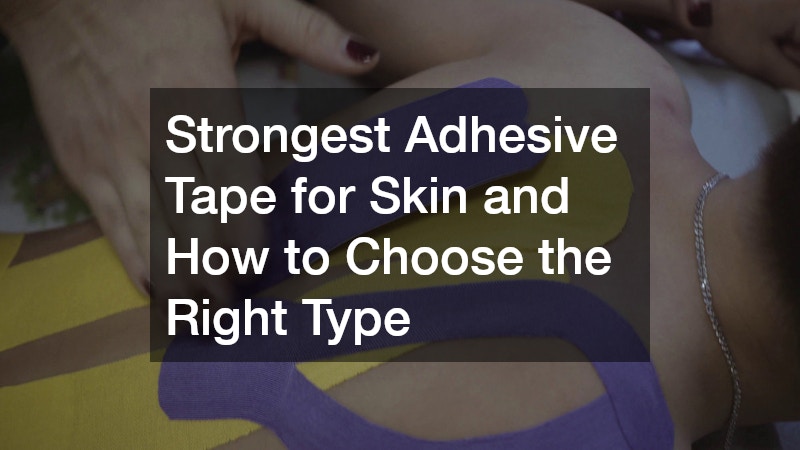
There are several categories of skin adhesive tapes, each designed for different levels of support, flexibility, and durability. Kinesiology tape is one of the most widely used options in sports and rehabilitation because it stretches with the body while maintaining steady adhesion over several days. Athletic tape, on the other hand, provides a much firmer hold and is often used to restrict movement in joints such as ankles or wrists during physical activity. Medical cloth tape is commonly used for securing dressings and medical devices, offering strong adhesion with moderate flexibility for everyday use. Silicone-based tapes are designed for sensitive or fragile skin and provide gentle adhesion that reduces trauma during removal.
When comparing these options, the idea of the strongest adhesive tape for skin often points toward athletic tape due to its rigid structure and strong bonding capability. However, kinesiology tape and medical-grade options often perform better in real-world scenarios where comfort, mobility, and skin protection are equally important. The best choice depends on whether the goal is immobilization, support, or long-term wear. Each category offers a different balance of strength and safety, which is why professionals often select tapes based on specific use cases rather than general strength ratings.
How to Choose the Right Tape for Your Needs
Selecting the right skin adhesive tape starts with identifying the purpose of use, since different needs require different adhesive properties. For sports performance and injury prevention, users typically need flexible yet durable options that can withstand movement and sweat without peeling. For wound care, the priority shifts toward secure dressing retention combined with gentle removal to avoid damaging healing skin. In medical settings, compatibility with devices such as IV lines or sensors also plays an important role in selection. Skin sensitivity is another major consideration, especially for individuals prone to irritation or allergic reactions.
It is also important to consider wear duration, since short-term use may allow for stronger adhesives, while long-term wear requires more breathable and skin-friendly options. Environmental exposure, such as water or heat, can further influence performance and should be accounted for before selecting a product. In practice, the most effective tape is the one that meets functional requirements without compromising skin health or comfort. This approach helps avoid common issues like excessive irritation or premature peeling.
Common Mistakes When Selecting Skin Tape
One of the most common mistakes people make is assuming that stronger adhesion automatically means better performance in all situations. This misunderstanding often leads to discomfort, skin damage, or reduced effectiveness when the tape is not suited for the intended purpose. Another frequent issue is ignoring skin type, which can significantly impact how well a tape adheres and how safely it can be removed. People also tend to overlook environmental conditions, such as moisture or heat, which can weaken or alter adhesive performance over time. Additionally, using the wrong tape for extended wear can lead to irritation or reduced healing efficiency in medical applications.
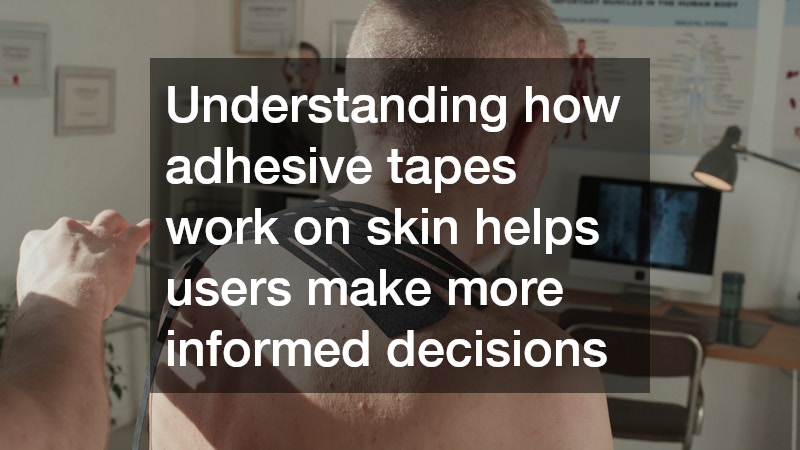
Understanding how adhesive tapes work on skin helps users make more informed decisions that prioritize both effectiveness and safety. There is no single solution that universally qualifies as the strongest adhesive tape for skin, because performance depends on use case, skin type, and environmental conditions. The most suitable option is one that provides reliable adhesion while maintaining skin integrity and comfort over time. In many cases, users searching for the strongest adhesive tape for skin discover that the best results come from selecting specialized products rather than relying on maximum stickiness alone. By evaluating purpose, duration, and sensitivity, individuals can choose a tape that delivers consistent performance without unnecessary risk.