Key Takeaways
- Choose activities that match your current fitness level and interests to make learning enjoyable and increase the likelihood of staying active over the long term.
- Focus on steady progress instead of immediate results, as building skills gradually helps improve both physical ability and self-belief.
- Beginner-friendly sports develop more than physical fitness, teaching valuable qualities like discipline, resilience, teamwork, and problem-solving.
- Low-impact options such as walking, swimming, and cycling provide excellent starting points for improving endurance and overall health while reducing the risk of injury.
- Consistency matters more than intensity, with regular practice and realistic goals leading to sustainable improvements over time.
- Joining clubs, classes, or recreational teams can provide motivation, accountability, and a supportive community that makes staying active more enjoyable.
- Avoid common beginner mistakes, such as overtraining, skipping recovery, or comparing yourself to experienced athletes, to ensure safe and lasting progress.
Starting a new sport can feel intimidating, especially if you have little or no athletic experience. Many beginners worry about keeping up with others, learning unfamiliar rules, or feeling out of place. The good news is that everyone starts somewhere, and the right sport can transform uncertainty into self-assurance while improving overall health. Whether your goal is to become stronger, lose weight, reduce stress, or simply enjoy a more active lifestyle, beginner-friendly sports provide a welcoming path toward long-term success. By choosing activities that match your interests, fitness level, and personal goals, you’ll be more likely to stay motivated, develop new skills, and discover just how rewarding regular physical activity can be.
Why are Sports Among the Best Ways to Improve Confidence and Fitness?
Sports offer far more than physical exercise. They teach perseverance, discipline, communication, and resilience—qualities that positively influence nearly every aspect of life. Unlike repetitive workouts that may eventually feel monotonous, sports introduce goals, measurable progress, and enjoyable challenges that naturally keep participants engaged.
For beginners, every new skill learned becomes a confidence-building achievement. Whether it’s making your first successful tennis serve or finishing your first cycling route, these accomplishments reinforce the belief that consistent effort leads to improvement.
Sports also improve physical wellness through regular movement. Benefits include:
- Better cardiovascular health that supports long-term wellness.
- Increased muscular strength and endurance through repeated movement.
- Improved balance and coordination that reduce injury risks.
- Enhanced flexibility and mobility for everyday activities.
- Better sleep quality due to regular physical exertion.
- Lower stress levels through the release of endorphins.
Beyond physical health, participating in sports introduces social interaction, teamwork, and opportunities to celebrate progress with others, making the experience enjoyable and sustainable.
What Makes a Sport Beginner-Friendly?
Not every sport is equally accessible to newcomers. Some require years of technical training before becoming enjoyable, while others allow participants to build skills gradually without excessive pressure.
A beginner-friendly sport typically shares several characteristics that make learning less intimidating while encouraging long-term participation.
Consider these qualities when choosing your first sport:
Easy Learning Curve
Sports with simple rules and basic movements help new participants gain confidence quickly before progressing to advanced techniques.
Adjustable Intensity
The ability to control pace and difficulty allows beginners to progress safely according to their own fitness level.
Minimal Equipment
Activities requiring only basic gear reduce financial barriers and make it easier to get started.
Low Risk of Injury
Sports that emphasize controlled movements help beginners develop proper technique before increasing intensity.
Opportunities for Social Support
Clubs, recreational leagues, and community groups create welcoming environments where new participants can learn from experienced players.
Selecting a sport that matches your current abilities increases the likelihood that you’ll enjoy the experience enough to make it a lasting habit.
Walking and Hiking: The Perfect Starting Point

Walking and hiking may seem simple, but they remain among the most effective activities for improving both confidence and overall fitness. Because nearly everyone can begin immediately, these activities eliminate many of the fears associated with organized sports.
Walking strengthens the heart, improves circulation, and builds endurance without placing excessive stress on joints. Hiking adds varying terrain, encouraging greater balance, leg strength, and cardiovascular conditioning.
As you gradually increase distance or elevation, you’ll notice measurable progress that reinforces personal achievement.
Walking and hiking also encourage mindfulness by allowing participants to disconnect from screens while spending time outdoors.
Additional benefits include:
- Improved posture through regular movement.
- Increased stamina for everyday activities.
- Better mental clarity after outdoor exercise.
- Opportunities to explore parks and natural environments.
- Low equipment costs compared to many sports.
For many people, walking evolves into trail hiking, trail running, or even endurance events, providing continuous opportunities for growth.
Swimming: Building Strength Without Joint Stress
Swimming is widely recognized as one of the safest and most effective full-body exercises for beginners. Water naturally supports body weight, reducing pressure on joints while allowing muscles to work against gentle resistance.
This combination makes swimming ideal for individuals recovering from injuries, older adults, or those carrying extra weight.
Regular swimming develops:
- Cardiovascular endurance.
- Core stability.
- Shoulder and back strength.
- Flexibility.
- Lung capacity.
Many beginners gain confidence because progress is easy to measure through increased lap counts or improved stroke technique.
Swimming also promotes relaxation. The rhythmic breathing required during each stroke often reduces anxiety while encouraging focus.
If you’re looking for how to boost your confidence, mastering new swimming techniques and steadily increasing your endurance can provide tangible evidence of personal growth while improving your overall fitness.
Cycling: Improving Endurance While Exploring New Places
Cycling combines exercise with exploration, making it an excellent choice for beginners who enjoy spending time outdoors. Whether riding around the neighborhood or exploring scenic trails, cycling provides an engaging way to improve cardiovascular fitness.
One advantage of cycling is the ability to adjust intensity.
Beginners can start with:
- Short neighborhood rides.
- Flat bike paths.
- Recreational cycling groups.
- Stationary indoor bikes.
- Weekend family rides.
As confidence grows, riders may explore longer routes, hills, or organized cycling events.
Cycling also strengthens:
- Quadriceps.
- Hamstrings.
- Glutes.
- Core muscles.
- Cardiovascular system.
Unlike high-impact activities, cycling places relatively little stress on knees, making it suitable for many adults seeking sustainable exercise.
Tennis and Pickleball: Learning Skills While Staying Social
Racket sports have become increasingly popular because they combine physical activity with friendly competition.
Pickleball, in particular, has experienced tremendous growth among beginners due to its smaller court, slower pace, and simplified learning curve.
Tennis offers slightly greater physical demands but remains highly rewarding for those willing to develop technique over time.
These sports improve:
- Hand-eye coordination.
- Agility.
- Reaction speed.
- Balance.
- Strategic thinking.
Perhaps their greatest advantage is the social environment they create. Playing doubles encourages teamwork while reducing pressure on individual performance.
Many local recreation centers organize beginner clinics where instructors teach basic rules and techniques in supportive settings.
Because each rally provides immediate feedback, players quickly recognize improvements, building confidence with every successful shot.
Running: Can Beginners Really Start Safely?
Running often appears intimidating because experienced runners make long distances look effortless. However, nearly every runner begins by alternating short jogging intervals with walking.
A gradual approach significantly reduces injury risks while allowing the cardiovascular system to adapt naturally.
A beginner running plan might include:
- Walking five minutes.
- Jogging one minute.
- Walking two minutes.
- Repeating several cycles.
- Cooling down with gentle stretching.
Consistency matters more than speed.
Running improves:
- Heart health.
- Bone density.
- Mental resilience.
- Weight management.
- Overall endurance.
Each completed run becomes a reminder that small improvements accumulate over time, encouraging greater self-confidence both inside and outside athletic pursuits.
Martial Arts: Developing Discipline Alongside Physical Fitness
Martial arts provide much more than self-defense skills. They encourage discipline, patience, respect, and continuous personal improvement.
Popular beginner-friendly options include:
- Karate.
- Taekwondo.
- Brazilian Jiu-Jitsu.
- Judo.
- Kung Fu.
Beginners quickly learn that progress depends on consistent practice rather than natural talent.
Training improves:
- Balance.
- Coordination.
- Flexibility.
- Reaction time.
- Mental focus.
Structured belt systems also provide clear milestones that celebrate achievement, motivating students to continue improving.
Many participants report increased confidence not only because of improved physical abilities but also because martial arts teach calm decision-making under pressure.
Rowing: A Full-Body Workout That Builds Endurance
Rowing remains one of the most effective yet underappreciated beginner sports.
Whether performed on indoor rowing machines or in recreational rowing clubs, the sport simultaneously engages the legs, core, back, shoulders, and arms.
Because rowing emphasizes proper technique rather than speed alone, beginners gradually improve efficiency while building impressive endurance.
Benefits include:
- Full-body muscle engagement.
- Improved cardiovascular health.
- Better posture.
- Increased stamina.
- Low-impact joint movement.
Many fitness centers offer rowing classes where instructors teach correct form before increasing workout intensity.
Team Sports: Why Playing Together Builds Confidence Faster
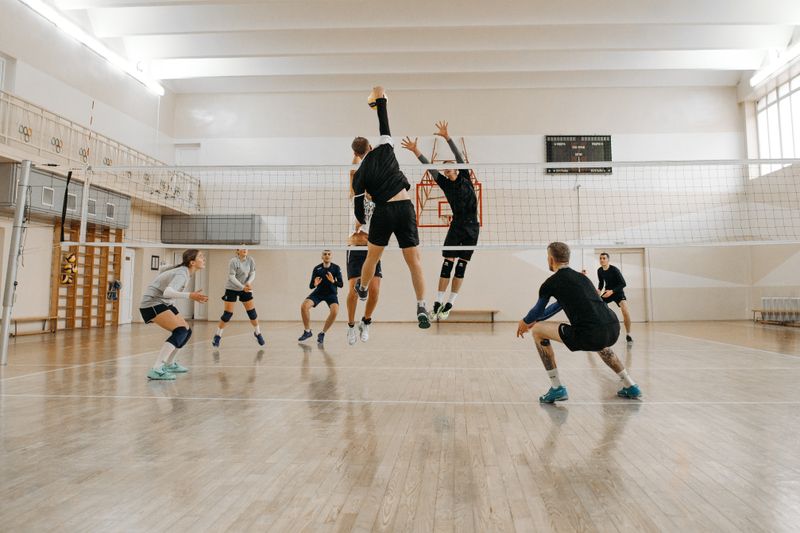
Joining a team introduces accountability, encouragement, and shared success that individual exercise sometimes lacks.
Recreational leagues often welcome beginners regardless of previous experience.
Popular options include:
- Volleyball.
- Soccer.
- Basketball.
- Softball.
- Ultimate Frisbee.
Participating on a team teaches:
- Communication.
- Leadership.
- Cooperation.
- Problem-solving.
- Emotional resilience.
Supportive teammates celebrate improvements rather than perfection, helping beginners overcome fear of making mistakes.
The friendships formed through sports often become one of the strongest motivations for maintaining regular participation.
How Can You Stay Motivated After the Initial Excitement?
Many beginners start enthusiastically but lose momentum after several weeks. Creating sustainable habits helps transform temporary motivation into long-term commitment.
Instead of focusing solely on major achievements, celebrate smaller milestones throughout your journey.
Helpful strategies include:
Set Realistic Goals
Aim for gradual progress rather than immediate perfection. Small successes encourage continued participation.
Track Your Improvements
Recording workouts, distances, or skill development provides visible evidence of progress over time.
Find a Community
Training partners and local clubs provide accountability while making exercise more enjoyable.
Prioritize Consistency
Short, regular sessions often produce better long-term results than occasional intense workouts.
Keep Learning
Watching instructional videos, attending clinics, or working with coaches introduces new techniques that prevent boredom.
These are among the most practical ways to improve your health, because they encourage sustainable lifestyle changes instead of relying on temporary bursts of motivation.
Common Mistakes Beginners Should Avoid
Starting a sport is exciting, but enthusiasm sometimes leads to avoidable setbacks. Recognizing common mistakes early helps prevent injuries and frustration.
One of the biggest errors is progressing too quickly. Many beginners attempt advanced workouts before developing proper technique, increasing the likelihood of strains or overuse injuries.
Other common mistakes include:
- Skipping warm-ups and cool-downs.
- Ignoring proper hydration.
- Wearing inappropriate footwear.
- Comparing yourself to experienced athletes.
- Neglecting recovery days.
- Quitting after minor setbacks.
Remember that improvement rarely follows a perfectly straight path. Temporary plateaus are part of every athlete’s journey.
Patience and consistency almost always outperform intensity alone.
Creating a Beginner Sports Routine That Lasts
Building a sustainable routine is often more important than choosing the perfect sport. Even enjoyable activities lose their effectiveness if they aren’t practiced regularly.
Start by scheduling exercise just as you would any important appointment. Consistency helps transform physical activity into a natural part of your weekly routine rather than something you do only when you feel motivated.
A balanced beginner schedule might include:
Monday
- Walking or cycling
Tuesday
- Strength training or swimming
Wednesday
- Rest or stretching
Thursday
- Tennis, pickleball, or martial arts
Friday
- Walking or light jogging
Saturday
- Hiking or team sports
Sunday
- Recovery and mobility exercises
Mixing activities prevents boredom while reducing repetitive stress on the body.
As fitness improves, gradually increase duration or intensity without sacrificing proper recovery.
Conclusion
The best sport for beginners isn’t necessarily the fastest, most competitive, or most physically demanding. Instead, it’s the one that encourages you to stay active consistently while helping you grow stronger, healthier, and more confident over time. Whether you choose walking, swimming, cycling, racket sports, martial arts, rowing, running, or a recreational team sport, every session builds valuable skills that extend well beyond physical fitness. Confidence develops through repeated effort, small victories, and the willingness to keep learning. By selecting an activity you genuinely enjoy and progressing at your own pace, you’ll establish healthy habits that support lifelong wellness while discovering that every beginner has the potential to become stronger, more capable, and more confident with every step forward.